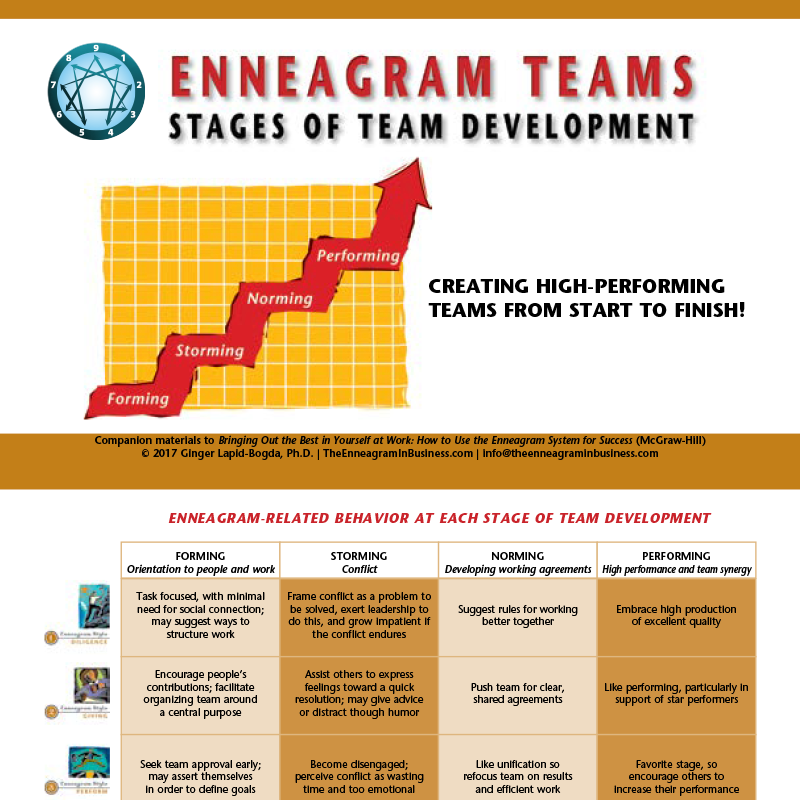
They start to see the worth in those variations on the group. In this stage, the team has agreed on their team rules for working together, how they’ll share information and resolve team conflict, and what tools and processes they will use to get the job done. The staff members begin to trust each other and actively seek each other out for assistance and enter.
What are the stages of group therapy?
The question that individuals ask during the norming stage of group development is, “What do the others expect me to do?” It matters because the knowledge of questions that team members ask themselves at different stages of team development helps a leader to manage them effectively.
The Norming stage has a basic improve in productiveness. Team members belief each other to make judgments on what duties have to be tackled as the team as a whole becomes more centered on the end project. This is the time to begin to see what constructive criticisms the group has for each other https://globalcloudteam.com/, in addition to doing evaluations. The final stage of growth is the break-up of the group, when hopefully the task or project is completed successfully. It could be a time of tying up loose ends, reflection, and evaluation for the group.
The first stage of group growth is called the forming stage. The forming stage represents a time where the group is just beginning to come together and is characterized with nervousness and uncertainty. Members are cautious with their conduct, which is pushed by the will to be accepted by all members of the group. Conflict, controversy and private https://www.luxoft.com/ opinions are avoided despite the fact that members are beginning to type impressions of each other and acquire an understanding of what the group will do together. Some believe this cautious conduct prevents the group from getting any actual work carried out.
#5 Adjourning Stage
Identify the stage of staff growth that your team is at from the descriptions above. This is when people begin to resolve their differences, recognize colleagues’ strengths, and respect your authority as a pacesetter.
The Storming subsides as the staff develops consensus on how the work might be accomplished. But, earlier than you study concerning the 5 levels, think about this question. Since the phases are frequent to all teams, it is very useful to know which stage to find out greatest actions to take. Then in 1977, Tuckman working with Mary Ann Jensen, created the fifth group improvement stage. Not each team goes by way of all the 4 phases talked about above.
Matrix Teams
Traits of Storming embody resistance, lack of participation, battle, competition, high emotions, and shifting in the direction of group norms. Strategies for this stage include normalizing matters and encouraging leadership.
However, even “permanent” groups working on long-time period projects may get steadily disbanded — because of an organization’s organizational restructuring. If your staff has reached this stage, you’re on a clear path to success. You have a mature, properly-organized group now totally-focused on reaching the project targets established within the Forming stage. ? To facilitate this transition from the Storming Stage to the Norming Stage, you’re advised to incorporate group management software into your staff workflow.
Closure can help them end the project with a way of properly-being and accomplishment. As group members start to really feel more comfortable around each other, battle will creep in. Members will begin to specific their opinions extra strongly or try to take over management of the group. Personality and workflow variations may trigger clashes among the group.
What happens in the forming stage of team development?
Each stage plays a vital part in building a high-functioning team. In 1965, a psychologist named Bruce Tuckman said that teams go through 5 stages of development: forming, storming, norming, performing and adjourning. The stages start from the time that a group first meets until the project ends.
In the “adjourning” stage the project is coming to an end and the staff members are moving off into different instructions. This stage looks on the team from the perspective of the nicely-being of the team quite than from the attitude of managing a staff through the original four stages of group development. When the team strikes into the “norming” stage, they are starting to work extra successfully as a group. They are no longer focused on their individual objectives, but quite are centered on creating a way of working together (processes and procedures). They respect each other’s opinions and worth their variations.
- When you understand it, you can help your new team turn out to be effective more shortly.
- Finally, the project is coming to an finish and members are moving into totally different roles and responsibilities.
- This stage appears on the group from the attitude of the properly-being of the staff quite than from the angle of managing a group through the unique four stages of staff growth.
- Bruce Tuckman’s Forming, Storming, Norming, and Performing model describes these stages.
- The levels of team development were first theorized by Bruce Wayne Tuckman and printed in 1965 which he known as the “Tuckman’s Stages”.
- Forming a staff takes time, and members often go through recognizable levels as they modify from being a set of strangers to a united group with widespread objectives.
Advantages And Disadvantages Of Self-managed Teams
The group is already accustomed to one another’s workflows, and most future disputes and conflicts generally turn into easier to overcome. The official (or unofficial) staff leader stages of team development takes a again seat far more than within the previous stages, and the individual staff members are given their chance to shine.
In which stage of Tuckman’s theory of group development the group decides how it will evaluate the progress?
Third Stage of group development. close relationships develop and the group becomes cohesive and demonstrates a strong sense of group identity and camaraderie. This stage is complete when the group structure solidifies and the group has assimilated a common set of expectations regarding member behavior.
Traditionally, a group goes through five phases of development, with every stage presenting its own challenges. The objective is for a cohesive team of individuals to provide a positive consequence that contributes to the success of the group.
However, the focus for group members during the forming stage is to turn into conversant in each other and their function, not on work. Some groups https://ru.wikipedia.org/wiki/EPAM_Systems skip over the storming stage or attempt to keep away from battle at whatever value. Avoidance often makes the issue develop until it blows up.
Rather than compete in opposition to one another, they’re now serving to one another to work towards a standard goal. The team members additionally begin to make vital progress on the project as they begin working collectively more successfully. This stage will come to a close when the staff turns into more accepting of each other and learns how to work collectively for the great of the project.
When they disagree, members work through it and resolve points without interrupting the project’s progress. If there needs to be a change in staff processes – the group is mature enough to agree on how the process needs to change with out reliance on the group chief.
Common behaviors in this stage include challenging authority, resisting opinions and improvements instructed by others, and arguments amongst team members even when they agree. In order for teams to meet their intended position of improving organizational effectiveness, it https://globalcloudteam.com/four-stages-of-team-development-what-you-need-to-know/ is important they develop into working items centered on their aim, mission, or reason for present. They do that by successfully progressing through the stages of improvement.
At this level, the group chief should start transitioning some decision making to the staff to allow them more independence however still stay involved to resolve any conflicts as rapidly as potential. During this initial stage of team development, it’s important for the staff leader to be very clear about staff targets and provide clear course regarding the project. At the norming stage, a frontrunner stages of team development should enable teammates to work autonomously and solely to interfere when the circumstances require it. While managing a group at the performing part, a leader should reward the contribution of team members and provide them with assist and advice. The adjourning group wants some comfort, so it is a good suggestion to rejoice the accomplishments and to thank all of the contributors to the group objective.

When you use this stage, it benefits any future teams and their work. In this stage you share what you discovered concerning the project, know-how, processes, and relationships among the members. When you do that stage, it often passes extraordinarily priceless insights alongside. Norming doesn’t present up without agreement and belief as a staff is in the Storming stage.
Forming
Clarify the expected phases of group improvement right from the start, to highlight that conflicts and issues throughout the project are regular, and never stages of team development an indication of failure. The Adjourning Stage is often associated with brief time period projects, where staff members are anticipated to disband over time.
